Search
  • Facilities
  • Milestones

Sunshine Digital | Microscope Dm-1000s Software Download [cracked]

Getting Started with the Sunshine DM-1000S Digital Microscope

Introduction

  1. High-Resolution Imaging: The DM-1000S features a 5MP CMOS image sensor, which provides high-resolution images with a maximum resolution of 2592 x 1944 pixels.
  2. Multi- Illumination: The microscope comes equipped with LED illumination, which offers bright and even lighting for optimal image quality.
  3. Digital Zoom: The DM-1000S offers digital zoom capabilities, allowing users to zoom in on specific areas of interest.
  4. Software Compatibility: The microscope is compatible with various software, including the Sunshine Digital Microscope Software (for Windows and Mac).

Common software names for similar models: sunshine digital microscope dm-1000s software download

Search for "USB Camera" or "OTG View" on the Google Play Store for Android connectivity. 🛠️ Installation Guide Follow these steps to ensure a stable connection: Do not plug in the microscope yet. file from the source above. Run the installer as an Administrator. your computer to finalize driver registration. the DM-1000S via a USB 2.0 or 3.0 port. High-Resolution Imaging: The DM-1000S features a 5MP CMOS

Prerequisites

  • Windows 10 or 11 (64-bit recommended; 32-bit has memory limits for video).
  • Minimum 4GB RAM.
  • A USB 3.0 port (blue colored) – Do not use a USB 2.0 hub as it will drop frames.
  • Administrator rights on your PC.

Sunshine DM-1000S digital microscope typically uses standard UVC (USB Video Class) Common software names for similar models : Search

Install: If using the disc, run setup.exe from the software folder.

Option 1: The Universal Solution (Windows Camera)

Before you go hunting for obscure drivers, try the plug-and-play method. Most modern versions of Windows (8, 10, and 11) are excellent at recognizing standard USB video devices.

About

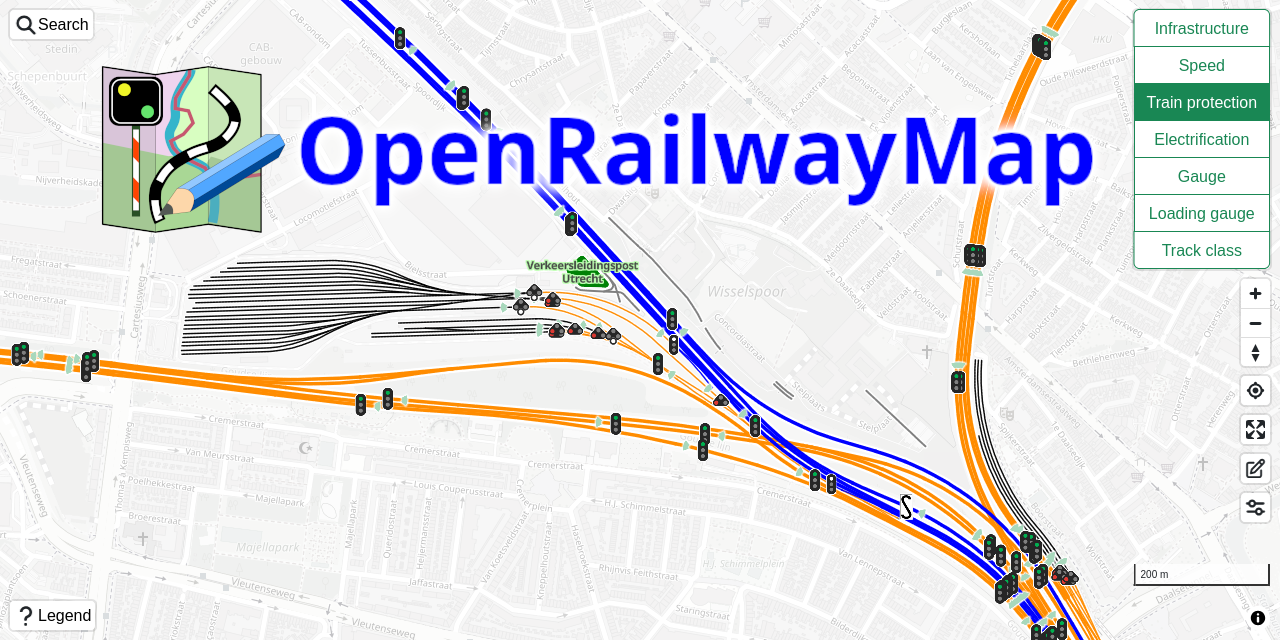
OpenRailwayMap banner

Welcome to the OpenRailwayMap!

This project shows railway infrastructure, speed limits, train protection, electrification and railway gauges of present and historical railway data using OpenStreetMap and OpenHistoricalMap data for all around the world.

Suggestions, improvements and discussions are welcome! You can find the project homepage of the OpenRailwayMap on Github. Start a discussion on the Discussions page on Github, or create an issue in the Issue tracker on Github. It is possible to contribute improvements directly by creating a Pull Request on Github. Be sure to read the contributing instructions. Alternatively, it is possible to contact the author directly using email.

Documentation about the OpenStreetMap data can be found on the OpenRailwayMap wiki pages.

News